Plants Toxic and Safe for Cats: What Every Owner Must Know
A woman I know spent three days convinced her cat had eaten something from the garbage. Vomiting, lethargy, total loss of appetite she was running through every possible explanation. It wasn’t until the vet asked about new plants in the house that everything clicked. She’d brought home a gorgeous lily arrangement the week before. Her cat had brushed against it on the kitchen counter and groomed the pollen off her coat.
That one plant nearly killed her cat.
Knowing which plants are toxic and safe for cats isn’t optional information for anyone who keeps both houseplants and cats under the same roof. The list of plants toxic to cats is longer than most people expect and some of the most dangerous ones are sitting in perfectly ordinary homes right now, looking completely harmless. This guide covers both indoor plants toxic and safe for cats, and outdoor plants toxic and safe for cats, so you have the full picture no matter where your cat spends time. Whether you’re searching for plants that are toxic to cats with pictures for identification, or simply want to know what’s safe to grow indoors, you’ll find it all here.
The most toxic plants for cats include lilies (Lilium genus), sago palm (Cycas revoluta), oleander (Nerium oleander), autumn crocus (Colchicum autumnale), and pothos (Epipremnum aureum). Safe alternatives include spider plant (Chlorophytum comosum), Boston fern, areca palm, and calathea.
Why Cats React So Differently to Plant Toxins
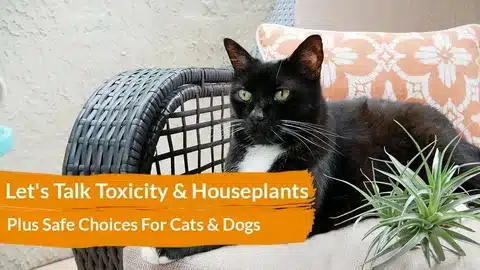
Most people assume if a plant is safe for one pet, it’s probably fine for the others. That’s not how it works especially with cats. A general “pet-safe” label means almost nothing when it comes to feline safety specifically.
Cats have a fundamentally different metabolic system than dogs. Their liver lacks the glucuronyl transferase enzymes needed to process many plant compounds, including essential oils, phenols, and certain alkaloids. Botanical toxicity that a dog might work through with a day of discomfort can cause fatal organ failure in a cat.
There’s another factor that makes indoor plant safety harder to manage than it looks. Cats are fastidious groomers. A cat that brushes past a lily on a shelf, or walks through an area where pollen has fallen, will lick it off their coat at the next grooming session. You don’t need to catch your cat chewing on a plant for plant ingestion to happen. These hidden houseplant hazards pollen on fur, sap on paws, fallen leaves on the floor are what make knowing exactly what’s in your home so critical for any cat owner. The exposure routes are far less obvious than people assume.
The Most Toxic Plants for Cats: What to Remove Immediately
Lilies : The Deadliest Houseplant Hazard for Cats
No plant group causes more feline fatalities than true lilies, the Lilium genus. Easter lily, tiger lily, Asiatic lily, stargazer lily, and daylily all belong here and every part of these plants is dangerous. Petals, leaves, stems, pollen, and even the water in the vase.
What makes lily toxicity so devastating is the way it unfolds. A cat that ingests even a small amount may vomit within a couple of hours, then appear to settle. That apparent improvement is a trap. Acute kidney failure is developing in the background, and without treatment within 18 to 24 hours, the kidneys shut down.
I’ve heard vets describe it as a race against a clock you can’t see. Early intervention dramatically improves survival odds. After that window closes, the outcome becomes far harder to turn around.
If you have cats, true lilies should not be anywhere in your home. Not on a high shelf. Not in a room the cat “doesn’t go into.” Nowhere. They top every serious feline plant safety list for good reason they represent one of the most dangerous ornamental plant hazards in any household.
Convallaria majalis lily of the valley causes serious harm through a different mechanism involving cardiac glycosides. Different plant, equally important to avoid.
Sago Palm (Cycas revoluta) Small Plant, Catastrophic Risk
Sago palm is one of those plants that looks completely harmless. Sold in garden centers and home improvement stores as low-maintenance ornamentals, they turn up in lobbies, living rooms, and outdoor patios without any warning attached.
All parts of Cycas revoluta are toxic to cats, with the seeds being the most concentrated source of cycasin a compound that causes severe, often irreversible liver failure. The survival rate after sago palm ingestion is low even with aggressive veterinary treatment. This is not a “your cat will feel off for a day” situation. It is a genuine, time-sensitive emergency and sago palm should be at the very top of any cat owner’s remove immediately list.
Oleander (Nerium oleander) A Garden Staple With a Deadly Side
Oleander is widely planted in warm-region gardens as hedging and decorative shrubs. It’s also intensely toxic. Nerium oleander contains cardiac glycosides that disrupt normal heart rhythm, causing weakness, arrhythmia, and collapse.
The risk extends beyond fresh plant material. Dried clippings, fallen leaves, and even smoke from burning oleander can cause toxicity. If your cat has outdoor access and oleander grows in your or a neighboring garden, this is a real hazard not a theoretical one.
Autumn Crocus (Colchicum autumnale)
Here’s one that catches owners off guard constantly. Many people are careful about spring bulbs like tulips. Autumn crocus Colchicum autumnale is in a completely different danger category.
It contains colchicine, which interferes with cell division and causes gastrointestinal bleeding, liver and kidney damage, bone marrow suppression, and respiratory failure. Symptoms can be delayed, which sometimes gives a false sense that things aren’t serious. They are.
Pothos (Epipremnum aureum) and Philodendron The Popular Problem
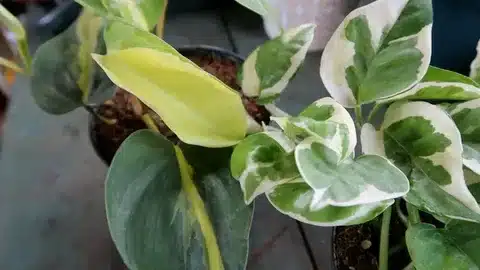
These two are possibly the most common plants toxic to cats currently living in people’s homes and the ones most often overlooked when owners first start reviewing which plants are toxic and safe for cats in their space. Pothos Epipremnum aureum has been everywhere for years: trailing shelves, hanging baskets, office windowsills. It’s practically indestructible. It’s also a houseplant hazard most owners don’t know about.
Both pothos and philodendron contain insoluble calcium oxalate crystals. When a cat chews the leaves, these crystals embed into the soft tissues of the mouth and throat, causing intense burning, swelling, drooling, and vomiting.
Here’s the catch. Because these plants are so common and the symptoms aren’t always immediately dramatic, some cats end up repeatedly exposed before anyone connects the dots. Chronic exposure causes ongoing oral irritation that gets blamed on other causes for weeks.
Dieffenbachia The Living Room Classic That Causes Real Harm
Dieffenbachia sometimes called dumb cane has been a popular ornamental plant for decades. Same calcium oxalate mechanism as pothos. The swelling in the mouth and throat can be dramatic enough to make swallowing and breathing difficult. Rarely fatal in cats, but genuinely distressing and needing immediate vet attention.
Hedera Helix : English Ivy
English ivy, Hedera helix, appears completely innocent. It’s used in hanging baskets, wall trellises, and ground cover across countless gardens and interiors. The leaves and berries contain triterpenoid saponins that cause vomiting, diarrhea, drooling, and abdominal pain in cats. The berries hold higher concentrations than the leaves.
Taxus Species : Yew
Yew trees and shrubs Taxus species are among the most common formal hedging plants across the UK, Europe, and North America. Almost all parts of the yew plant contain taxine alkaloids, which cause rapid cardiac arrest. Primarily an outdoor risk, but one worth knowing about if your cat roams outside.
Euphorbia tirucalli : Pencil Cactus
This one surprises people. It looks like a sculptural cactus, not a leafy plant nothing that screams “plant ingestion risk.” But Euphorbia tirucalli contains a milky white sap that is severely irritating to skin, eyes, and mucous membranes. If a cat chews it, or if the sap reaches their eyes during grooming, the results can be painful and require treatment.
Narcissus Genus : Daffodils
Daffodils appear in gardens and indoor arrangements every spring without much concern. The Narcissus genus contains lycorine and other alkaloids concentrated especially in the bulbs that cause vomiting, diarrhea, abdominal pain, and in larger ingestions, cardiac arrhythmias and convulsions.
Cut arrangements, bulb bowls on windowsills, and garden beds with naturalized daffodils are all exposure risks for cats with outdoor access or for cats in homes where arrangements are brought inside.
Complete Table: Plants Toxic & Safe for Cats
| Plant | Scientific Name | Toxic to Cats? | Toxic Parts | Severity |
|---|---|---|---|---|
| Easter / Tiger Lily | Lilium spp. | ✅ YES | All parts | Severe — kidney failure |
| Lily of the Valley | Convallaria majalis | ✅ YES | All parts | Severe — cardiac |
| Autumn Crocus | Colchicum autumnale | ✅ YES | All parts | Severe — multi-organ |
| Sago Palm | Cycas revoluta | ✅ YES | All parts, esp. seeds | Severe — liver failure |
| Oleander | Nerium oleander | ✅ YES | All parts incl. dried | Severe — cardiac |
| Yew | Taxus species | ✅ YES | Most parts | Severe — cardiac arrest |
| Daffodil | Narcissus genus | ✅ YES | Bulbs especially | Moderate–Severe |
| English Ivy | Hedera helix | ✅ YES | Leaves, berries | Moderate |
| Pothos | Epipremnum aureum | ✅ YES | All parts | Moderate — oral irritation |
| Philodendron | Philodendron spp. | ✅ YES | All parts | Moderate — oral irritation |
| Dieffenbachia | Dieffenbachia spp. | ✅ YES | All parts | Moderate — oral/throat |
| Pencil Cactus | Euphorbia tirucalli | ✅ YES | Sap | Moderate — irritation |
| Aloe Vera | Aloe barbadensis | ✅ YES | Gel/latex | Mild–Moderate |
| Peace Lily | Spathiphyllum spp. | ✅ YES | All parts | Mild–Moderate — oral |
| Tulip | Tulipa spp. | ✅ YES | Bulbs especially | Moderate |
| Spider Plant | Chlorophytum comosum | ✅ SAFE | — | Non-toxic |
| Boston Fern | Nephrolepis exaltata | ✅ SAFE | — | Non-toxic |
| Areca Palm | Dypsis lutescens | ✅ SAFE | — | Non-toxic |
| Calathea | Calathea spp. | ✅ SAFE | — | Non-toxic |
| Peperomia | Peperomia spp. | ✅ SAFE | — | Non-toxic |
| Orchid | Phalaenopsis spp. | ✅ SAFE | — | Non-toxic |
| Air Plant | Tillandsia spp. | ✅ SAFE | — | Non-toxic |
| Money Tree | Pachira aquatica | ✅ SAFE | — | Non-toxic |
| African Violet | Saintpaulia spp. | ✅ SAFE | — | Non-toxic |
| Bamboo Palm | Chamaedorea seifrizii | ✅ SAFE | — | Non-toxic |
Indoor Plants Toxic & Safe for Cats : Building a Cat-Friendly Home
The good news: you don’t have to choose between a beautiful space and a safe one. There’s a solid range of genuinely non-toxic greenery that makes excellent indoor plants and carries no botanical toxicity risk for your cat.
When people ask about which indoor plants are actually safe for their cats, they often expect a short list of exceptions. The reality is more generous there are dozens of safe, attractive options. For those searching for houseplants safe for cats with pictures, the ASPCA database has a full photo gallery organized by plant type. It’s the most reliable resource available. Here’s a practical starting point of the best options to know.
Spider Plant (Chlorophytum comosum)
One of the most forgiving plants you can grow indoors, and completely safe for cats. Cats are oddly drawn to spider plants there’s some suggestion of a mild compound similar to catnip being involved, though this isn’t fully confirmed. Either way, chewing one won’t hurt them. The plant may end up looking a bit ragged. That’s the worst of it.
Boston Fern (Nephrolepis exaltata)
A classic choice on any list of houseplants safe for cats. It needs humidity and indirect light, which can make it slightly demanding in dry climates, but there are zero plant ingestion risks here. Indoor plant safety doesn’t get more straightforward than a Boston fern it’s genuinely one of the best feline-safe flora options available in any garden centre. Perfect for bathrooms with natural light.
Areca Palm (Dypsis lutescens)
Great for height, great for a tropical feel, non-toxic to cats and dogs. Handles indoor light reasonably well and is a good air quality plant. One of those plants that looks more expensive than it actually is. Worth having in any cat-friendly home.
Calathea
The sheer variety of patterns in calathea makes it one of the more visually striking safe choices deep greens, purples, creams, almost painted-looking leaves. They like consistent watering but they’re completely safe around cats, which makes them a smart decorative swap for more dangerous foliage plants.
Orchids (Phalaenopsis)
Here’s one that genuinely surprises most people. Common orchids Phalaenopsis are non-toxic to cats. They’ve earned an unfair reputation for being difficult, but they’re manageable once you understand their needs. And they flower for months at a time. A solid trade-off.
Peperomia
Dozens of varieties, all considered safe, all compact and manageable. Watermelon peperomia, peperomia obtusifolia, peperomia caperata take your pick. Good for shelves, desks, and windowsills. Forgiving of irregular watering. If you’re looking for non-toxic greenery that doesn’t demand a lot of attention, peperomia is worth it.
Outdoor Plants Toxic & Safe for Cats : Garden Risks You Might Not Have Considered
Outdoor cat safety is a different challenge from managing your indoor plant collection. You can control what you bring into your home and remove known houseplant hazards from your living space. Gardens yours and your neighbours are harder to curate. A cat that roams freely can encounter the full list of toxic plants for cats without you ever knowing until symptoms appear. Managing outdoor plants toxic & safe for cats requires a different kind of awareness one that extends beyond your own property line.
Flowers Safe for Cats in the Garden
When thinking about outdoor plants safe for cats, flowers safe for cats like sunflowers, snapdragons, zinnias, African daisies (Osteospermum), and most culinary herbs basil, dill, thyme are generally considered safe. Roses are non-toxic, though thorns are a physical risk. Camellias and magnolias are generally safe as well.
Catnip (Nepeta cataria) and cat grass typically wheat, barley, or oat grass are both safe and actively beneficial. Cat grass helps with digestion and can reduce hairball frequency. Worth growing deliberately as part of pet-friendly gardening.
Outdoor Plants That Are Risks
Beyond oleander and yew already covered, foxglove (Digitalis) grows freely in gardens and hedgerows and contains cardiac glycosides. Wisteria seeds and pods are toxic. Lupins are toxic. Hydrangea contains cyanogenic glycosides. Rhododendron and azalea cause severe harm through grayanotoxins that affect the heart and nervous system a single significant ingestion can be life-threatening.
If you have an outdoor or indoor-outdoor cat, it’s worth walking your garden with fresh eyes and actually identifying what’s growing there. Most owners are surprised by what they find once they look properly.
A Scenario That Plays Out More Often Than It Should
You do everything right. You research the harmful foliage in your home, remove the pothos, replace the peace lily with calathea, swap the philodendron for a peperomia. Your home is cat-safe.
Then someone sends you flowers.
Mixed floral arrangements from supermarkets, florists, and online flower delivery services regularly include lilies often not as the main flower, but tucked in as filler between roses and greenery. The arrangement looks fine. You put it on the dining table.
This is one of the most common ways cats are exposed to lily toxicity. The arrangement has been in the home for less than a day before symptoms appear.
The practical habit worth building: check any delivered flowers before bringing them inside. If you can’t identify everything in an arrangement, either leave it outside until you can, or put it in a room your cat truly cannot access not a room with the door half-closed.
Symptoms of Plant Poisoning in Cats : Recognizing a Problem Early
Symptoms vary depending on the plant, but there are clear patterns worth knowing.
Immediate (within minutes to a few hours):
- Pawing at mouth or face
- Excessive drooling
- Vomiting
- Swollen or red mouth, gums, or tongue
- Visible distress or unusual restlessness
Delayed (hours to days later particularly with kidney or liver-toxic plants):
- Decreased or no urination
- Loss of appetite
- Increased thirst
- Yellowing of gums, eyes, or skin
- Seizures, loss of coordination, or collapse
The detail most articles on plant ingestion risks don’t make clear enough: with lily toxicity, cats often vomit and then appear to settle. Owners sometimes interpret this as improvement. It isn’t. Kidney damage is progressing. This is exactly the window where veterinary intervention is most effective and most urgently needed. It’s the piece of information that matters most when seconds count.
What to Do If Your Cat Ingests a Toxic Plant
Take a photo of the plant, or bring a sample with you to the vet. Knowing exactly which plant was involved matters — treatment differs significantly between, say, a true lily ingestion (kidney-focused, time-critical) and pothos exposure (oral decontamination, supportive care). Doing the homework before an incident happens makes every step faster when one does. One thing to be clear on: do not attempt to induce vomiting at home without direct instruction from a vet or poison control. With certain plant toxins, it makes things worse.
The Peace Lily Confusion — Why Getting This Right Matters
Something worth addressing directly because it causes real confusion, and the confusion has real consequences.
Peace lily Spathiphyllum appears on virtually every feline plant safety list. It is toxic. Calcium oxalate crystals, oral irritation, drooling, sometimes vomiting. It belongs on the watch list and shouldn’t be in a cat-friendly home.
But it is not a true lily. It’s not in the Lilium genus. The kidney failure risk that makes Easter lily so deadly doesn’t apply to peace lily.
I raise this because I’ve seen owners panic over a brief peace lily exposure and not seek care at all after a confirmed true lily incident because they’d read conflicting information online and weren’t sure which was more serious. The answer is: true lilies are significantly more dangerous. Both warrant a vet call, but the urgency is entirely different. Understanding that distinction could save a cat’s life.
Creating a Cat-Friendly Home : What Actually Works in Practice
Removing ornamental plant dangers is step one. If your cat has an active plant-chewing habit, though, you’ll want to go further.
Elevation isn’t always the answer. Hanging planters and high shelves work for cats that aren’t climbers. For a cat that jumps on every surface, no shelf is out of reach. Wall-mounted planters with no nearby launching points are more reliable for those cats.
Give them something acceptable to chew. Cat grass satisfies the plant-chewing instinct in a safe, beneficial way. Some cats chew plants partly because they’re looking for fiber. A pot of cat grass near their food area can meaningfully redirect that behaviour and it’s good for their digestion.
Citrus deterrents can help. Cats generally dislike citrus smells. Orange or lemon peel near the base of pots, or citrus-scented sprays, discourages a lot of casual plant investigation. Results vary depending on the cat. Some don’t care in the slightest. Worth trying before more elaborate solutions.
Think about boredom. Something I’ve noticed over years of working with cats those that get adequate playtime, mental stimulation, and environmental enrichment tend to be far less interested in the plants. Understanding which plants are toxic and safe for cats is essential, but a stimulated cat is less likely to test that knowledge by chewing everything in reach.
A Note on “Pet-Friendly” Plant Labels and Why You Can’t Trust Them Alone
This is something most plant care articles never mention. Garden centres and online retailers sometimes use terms like “pet-friendly” or “animal-safe” without specifying which animals. A plant can be non-toxic to dogs and still carry botanical toxicity for cats, given their different metabolic system. The label “safe for pets” has no standardized meaning it can mean anything or nothing.
Indoor plant safety for cats specifically requires checking cat-focused resources, not general pet labels. Cross-checking any new plant there before bringing it into a cat-friendly home takes under a minute. For pet-friendly gardening and indoor decorating both, that’s the habit that protects your cat most reliably.
FAQ: Plants Toxic & Safe for Cats
Which plants are most toxic to cats?
True lilies : Easter, tiger, Asiatic, stargazer, and daylily are consistently the most dangerous plants for cats, capable of causing fatal kidney failure from minimal exposure. Sago palm (Cycas revoluta) and oleander (Nerium oleander) are also in the highest danger category, causing liver failure and cardiac effects respectively.
Are there plants that are toxic to cats with pictures I can reference?
Yes. The ASPCA toxic and non-toxic plant database includes photos of plants toxic to cats with pictures, making identification much easier. It’s searchable by common name or scientific name and is the most reliable reference available. If you’re uncertain about a plant in your home, it’s the first place to check. Many people find it easier to browse plants that are toxic to cats with pictures rather than reading through names alone the visual confirmation removes any doubt.
What indoor plants are toxic and safe for cats?
Common indoor plants toxic to cats include pothos (Epipremnum aureum), philodendron, dieffenbachia, peace lily, and English ivy (Hedera helix). Safe indoor options include spider plant (Chlorophytum comosum), areca palm, Boston fern, calathea, peperomia, and orchids. The full picture of indoor plants toxic & safe for cats is best viewed on the ASPCA database when researching, always verify by scientific name, since common names are inconsistent and sometimes shared between entirely different species.
What outdoor plants are safe for cats?
Outdoor plants safe for cats include sunflowers, snapdragons, zinnias, most culinary herbs, roses, and camellias. For pet-friendly gardening, catnip and cat grass are both safe and actively beneficial for cats. Avoid oleander (Nerium oleander), yew (Taxus species), rhododendron, foxglove, and autumn crocus (Colchicum autumnale) in any garden a cat can access.
Is aloe vera safe for cats?
No. Aloe vera is toxic to cats. It contains saponins and anthraquinones that cause vomiting, lethargy, diarrhea, and in significant ingestions, tremors. Despite its benefits for humans, it should be kept completely out of a cat-friendly home.
Can cats die from eating pothos?
Death from pothos (Epipremnum aureum) ingestion is uncommon, but it isn’t a minor issue. The calcium oxalate crystals cause significant oral pain and swelling, and large ingestions can cause enough throat swelling to make breathing difficult. Any confirmed pothos ingestion warrants an immediate vet call.
What should I do if my cat eats a lily?
Go to an emergency vet immediately. Do not wait for symptoms lily toxicity in cats is time-sensitive and outcomes are significantly better with early treatment. Bring the plant or a clear photo. If you’re unsure whether it was a true lily or a peace lily, the vet can help determine the specific plant ingestion risk based on the plant you bring in.
Conclusion
Keeping cats and plants together is completely manageable but only if you know which plants are toxic and safe for cats in your specific situation. Most plant poisoning cases aren’t the result of negligence. They happen because owners genuinely didn’t have the information. That’s exactly what this guide is designed to change.
True lilies and sago palm deserve their own level of urgency. If either is in your home right now, removing them is the single most important thing you can do today. For everything else pothos, dieffenbachia, peace lily the approach is awareness: knowing what you have, understanding the severity, and making better choices where needed.
The swap from harmful foliage to non-toxic greenery like calathea, peperomia, or areca palm isn’t a sacrifice. Once you know what you’re replacing and why, it feels straightforward. Removing common houseplant hazards and replacing them with feline-safe flora options is one of those things that takes an afternoon and gives you permanent peace of mind. And honestly, some of the safe plants are more interesting to look at anyway.