The Oregon Wildlife Guide
Oregon’s forests, mountains, and rugged coastline are home to something special, and if you’ve explored them, you’ll see it. Wildlife is not confined to the out-of-the-way corners of the state. It’s everywhere. Wild animals of Oregon habitats contain some of the most fertile in the U.S., from grazing black-tailed deer near the roadsides to bald eagles flying overhead the rivers.
Oregon’s wildlife is a source of interest and insight into animal adaptation, behavior, and conservation to the avid nature lover. Each ecosystem has its own narrative. Waterfowl and river otters are attracted to coastal wetlands. Black bears and cougars are surrounded by a thick forest. Other species are found only in high desert areas.
Quick Answer
With its varied geographic features, Oregon offers wildlife viewing opportunities in forests, mountains, rivers, deserts, and along coastlines throughout the year.
Why Oregon Is a Wildlife Lover’s Paradise
There is no state with as diverse a habitat as Oregon. You can get from the Pacific Ocean to the Cascade Range and into high desert country within a few hours.
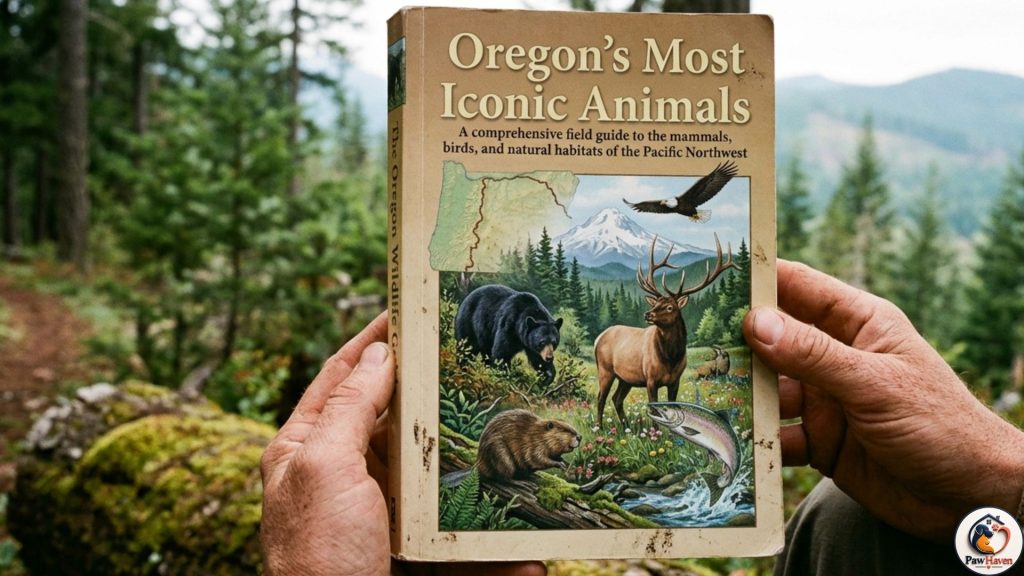
This diversity creates an ideal environment for native wildlife. Predators and prey in forest ecosystems. Aquatic life is found in rivers and wetlands. Specialized species can be found in cooler mountain areas.
One of the most impressive aspects of Oregon is its dedication to wildlife preservation. Healthy populations and the minimization of human-wildlife conflicts are achieved through habitat restoration projects, conservation partnerships, and wildlife protection programs.
Oregon’s one thing that’s different in my experience is the ability for wildlife to move. Large-scale wildlife corridors link habitats together to provide natural migration, hunting, and breeding opportunities for wildlife.
Students will recognize the unique wildlife habitats found in Oregon. Students will identify the variety of wildlife habitats in Oregon.
Coastal ecosystems and marine wildlife.
Oregon’s shoreline faces the Pacific Ocean, and supports marine mammals, sea birds, and aquatic animals.
Offshore, harbor seals, sea lions, and migrating whales are common visitors. Muskellonger, river otters, and numerous species of waterfowl have made their home in estuaries and wetlands.
Early mornings are good times for viewing wildlife along the coast since birds are active.
Forests and Woodland Habitats
In western Oregon, there are many areas of dense forests mostly composed of Douglas fir and western hemlock.
They are the habitats of black bears, raccoons, bobcats, and endangered species like the Northern Spotted Owl. American marten, the fisher, and the mountain beaver are other mammals found in forests.
Numerous burrowing species make underground tunnels, which help to improve the soil health and balance in the ecosystem.
Cascade Mountain Wildlife
Some of Oregon’s most amazing wildlife habitats are found in the Cascade Range.
American pikas are adapted to rocky slopes. In the alpine meadows, the yellow-bellied marmots bask. Mountain goats are very agile on cliffs.
When it snows in the winter, it is an ideal time to observe animal tracks. Species that are not visible are frequently found on tracks.
High Desert and Sagebrush Regions
Wildlife accustomed to a dry environment can be found in Eastern Oregon’s desert habitats.
It is home to kit foxes, Washington ground squirrels, rabbits, reptile species, and several rodent species. Some forage at night to escape the heat of the day.
Habitat restoration work is still vital to these areas, as invasive plants can contribute to habitat fragmentation and change native ecosystems.
Rivers, Wetlands, and Lakes
In Oregon, some of the most productive ecosystems are found in healthy waterways.
The American beaver is a very typical ecosystem engineer. Landscapes modified by beavers provide wetlands for fish, amphibians, birds, and mammals.
Salmon, trout, raccoons, muskrats, and bat colonies also use the rivers as habitat.
Urban Wildlife in Oregon Cities
Wildlife is not banned from cities.
Coyotes, raccoons, opossums, and black-tailed deer are often found in urban areas. Parks and greenbelts can serve as wildlife corridors within urban areas for safe movement.
Conflicts can be minimized, and threats to people and wildlife can be minimized by responsible wildlife stewardship.
Mammals of Oregon
There are over 70 species of native mammals throughout Oregon that range from the smallest shrews to the largest elk.
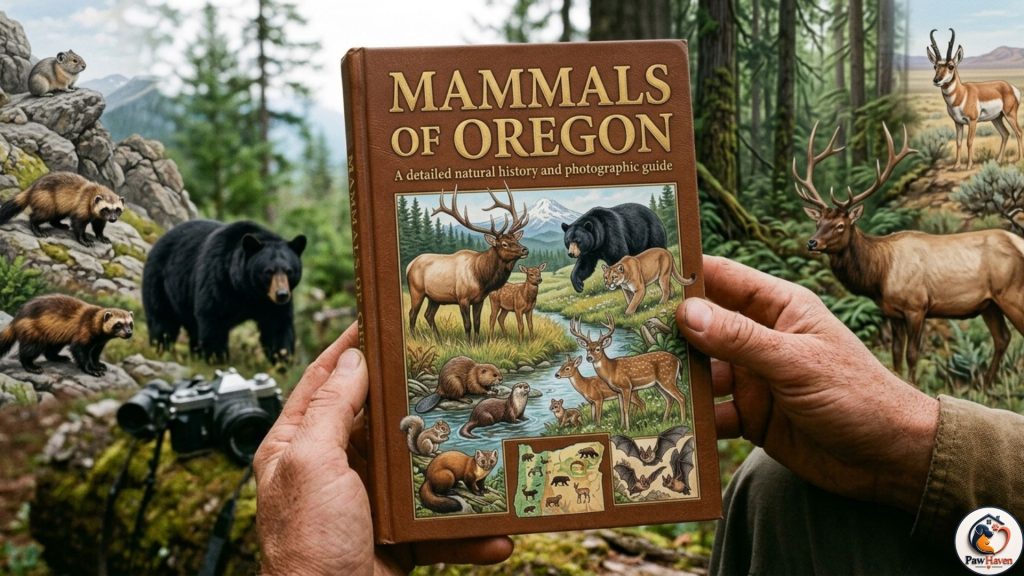
Large Mammals Found in Oregon
Roosevelt elk are some of the biggest land mammals in the Pacific Northwest.
These amazing herbivorous creatures are known to come in large groups through the coastal forests.
The black-tailed deer is still one of the most prevalent animals to be seen in Oregon. They thrive in forests, farms, and suburban areas.
American black bears are found throughout the State. They are omnivores feeding on berries, insects, plants, and fish.
Apex predators like cougars (mountain lions) are used to help balance ungulate populations and predator/prey interactions.
Moose and bighorn sheep have more specialized habitats, including northeastern Oregon.
Medium-Sized Mammals
Bobcats are stealth predators with a spotted coat and short tail.
Coyotes are highly adaptable to wildlife and can live in forests, deserts, and urban areas.
Raccoons rely on their dexterous paws to find food, and river otters rely on healthy waterways to survive.
Small Mammals
Small mammals are important to Oregon’s ecology.
In mountain habitats, the American pika collects plant material for overwinter survival.
Pocket gophers and Botta’s pocket gopher form large pocket gopher mounds underground.
Although the name suggests otherwise, mountain beavers are not closely related to the beaver. They live a large portion of their lives in underground navigable systems.
Western gray squirrels and Washington ground squirrels are species for which the protection of their habitat is critical for conservation.
Bats, Shrews, and Moles
Bats can be among the most valuable mammals in Oregon.
A single fringed myotis can eat thousands of insects in a single night. The ecosystem services of these insect-eating mammals are in natural pest control.
WNS continues to be a serious disease for bats in North America.
Shrews and moles have different habitats. Moles are experts at making burrows, and shrews are active insect predators in a range of habitats.
Birds of Oregon
Oregon is home to the Pacific Flyway and provides an excellent location for birdwatchers.
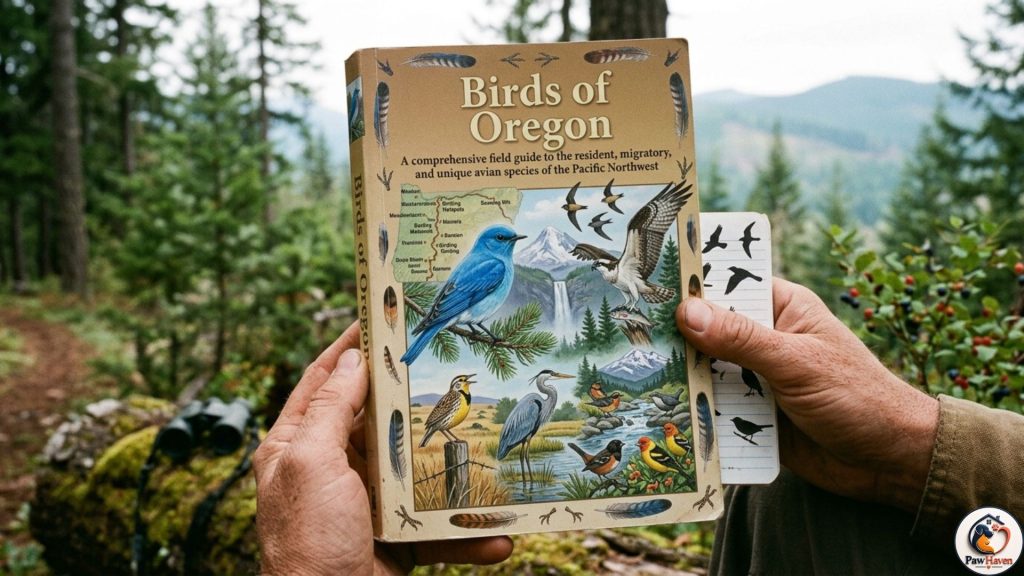
Raptors and Birds of Prey
Some of Oregon’s most famous birds include bald eagles, golden eagles, red-tailed hawks, and Northern Spotted Owls.
These predators are important in controlling the population of prey, which helps to maintain a balance in the ecosystem.
Waterfowl and Wetland Birds
Ducks, geese, swans, and shorebirds use wetlands all year long.
Bird numbers can rise dramatically during migration seasons.
Songbirds and Woodpeckers
In springtime and summer, Oregon’s forests are alive with songbirds.
The pileated woodpecker is one of the biggest woodpecker species found in North America.
Coastal and Seabirds
Hark! along the Oregon coast, puffins, cormorants, murres, and gulls thrive.
Rocky shorelines can be excellent for wildlife viewing and photography, especially near rocky shore areas.
Reptiles, Amphibians, and Aquatic Wildlife
There are a surprising number of reptiles and amphibians found in Oregon.
Western rattlesnakes are the only venomous snakes found in eastern Oregon and are found in dry areas.
Garter snakes are found near forests, wetlands, and rivers.
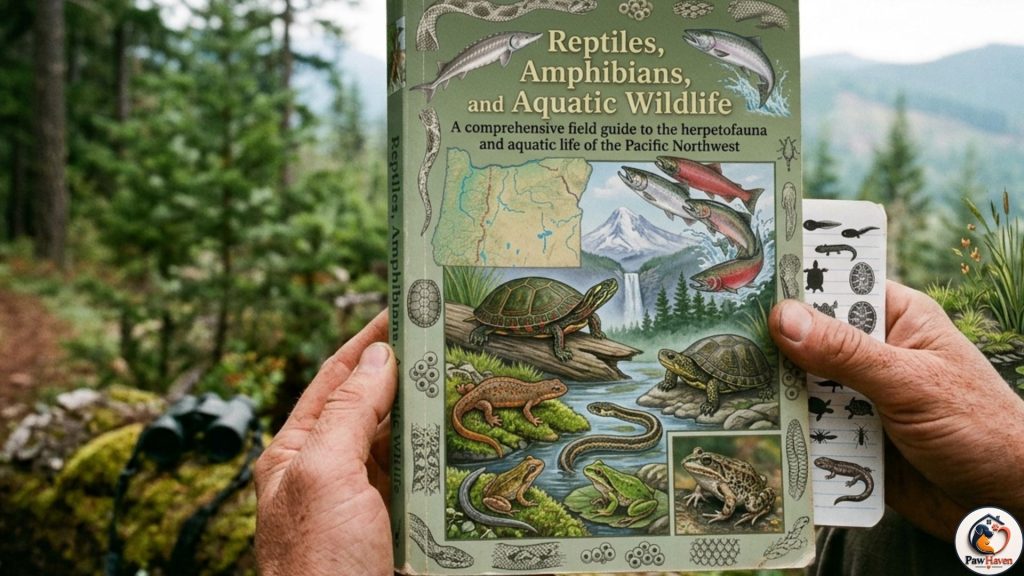
Amphibians are also important for biodiversity, in particular frogs and toads, salamanders, and newts. They are a good sign of a healthy environment.
Salmon, trout, steelhead, and marine fish species utilize aquatic ecosystems. Salmon are particularly significant in that they bring nutrients from the ocean to inland areas as they migrate for spawning.
The other crustaceans, like Dungeness crab, are also ecologically and economically important.
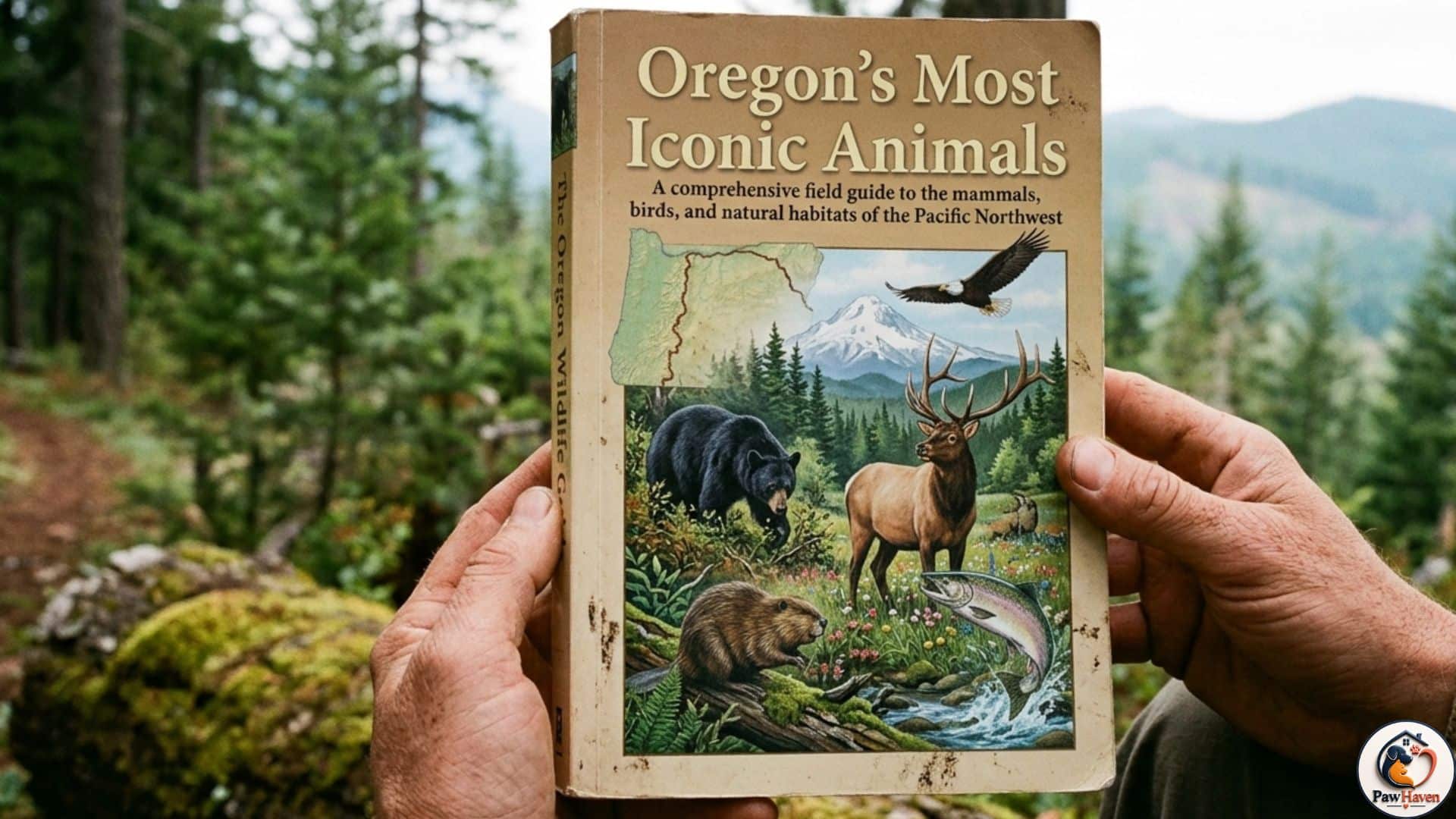
Oregon’s Most Iconic Animals
There are several Oregon wildlife symbols:
| Species | Why It Matters |
| American Black Bear (Sciurus carolinensis) | Keystone forest species (Sciurus carolinensis) |
The Roosevelt elk is the biggest native herbivore.
Northern Spotted Owl | Old-growth forest indicator |
| Cougar | Apex predator |
| Bobcat | Adaptable hunter |
Black-tailed deer are the most common mammal.
Pileated Woodpecker | Forest ecosystem engineer |
Western Rattlesnake is an important predator in the desert.
Balance and biodiversity conservation are achieved with each species.
A guide to spotting and identifying Oregon’s wildlife. A guide to spotting and identifying Oregon’s wildlife.
Tracking, looking at behavior, and habitat are keys to wildlife identification.
Use heart-shaped tracks to identify deer. Claw marks are typically not found on Cougar tracks, which are round in shape. Coyotes leave more oval-shaped tracks with claws visible.
Wildlife may be present even though they’re not seen or heard, as evidenced by chewed bark or scat, feathers, and burrows.
One of the best observation tools for wildlife is a good pair of binoculars.
Explore Oregon’s best spots for wildlife viewing.
Top locations include:
Dean Creek Elk Viewing Area:
Malheur National Wildlife Refuge
- Cascade Mountain Trails
- Oregon coastal estuaries
- Willamette National Forest
Summer Lake Wildlife Area
Safe distances should always be observed, and wild animals should never be fed.
Conservation Challenges – what are they and what are the protected species?
Habitat loss, climate change, invasive species, and habitat competition are among the challenges that wildlife face.
Frequently Asked Questions
Which wild animal is found in Oregon the most?
Black-tailed deer are common mammals seen around the state.
Do wolves still exist in Oregon?
Yes. In parts of eastern and northeastern Oregon, populations of gray wolves have grown.
What animals are considered to be dangerous in Oregon?
The main species that need to be cautious of are black bears, cougars, and western rattlesnakes.
What’s the state animal of Oregon?
The Oregon state tree is the American beaver.
What’s the best time of the year for wildlife viewing?
Wildlife activity is generally highest in the spring and fall.
Conclusion
Whether it’s rugged coasts, towering forests, alpine peaks, or desert valleys, Oregon’s ecosystems are home to an amazing diversity of species. From the smallest shrew to the most powerful cougar, each species contributes to a healthy native ecosystem.